Waking up with a sore jaw or a dull headache is an experience many of us dismiss as the result of a bad night’s sleep. However, it could be a sign of something more. At Bow Family Dentistry, led by Dr. Sarah K. Katz, we often see patients who are unknowingly grinding their teeth at night—a condition known as bruxism. Let’s explore the signs and how we can help you find relief right here in Bow, NH.
Signs of Nighttime Grinding
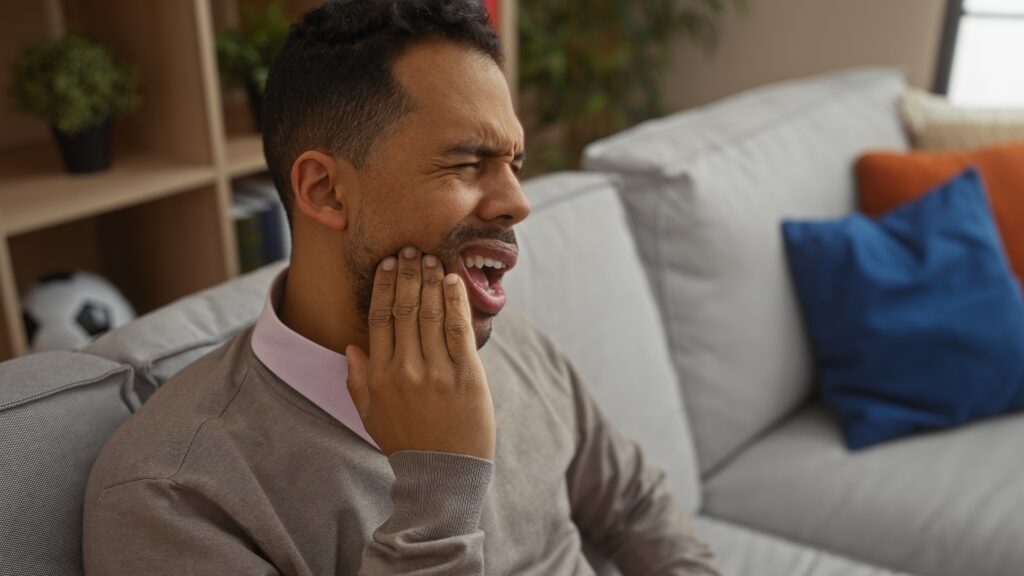
Since bruxism happens while you sleep, you might not be aware of it. The evidence often appears through other symptoms. You may notice persistent jaw soreness or tightness when you wake up, or frequent headaches centered at your temples. A look in the mirror might reveal teeth that appear worn down, chipped, or flattened. Some people experience increased tooth sensitivity, gum recession, or hear a clicking or popping sound from their jaw joints. Sometimes, it’s a partner who first notices the grinding sounds at night.
The Connection Between Bruxism and TMJ Disorders
Chronic teeth grinding puts immense strain on your entire jaw system. This constant muscle overuse can lead to inflammation in the temporomandibular joints (TMJ), which connect your jaw to your skull. The stress on the bite and joints can trigger or worsen temporomandibular disorders (TMD), a group of conditions causing pain and dysfunction in the jaw joint and the muscles that control jaw movement. Essentially, bruxism can be a direct pathway to developing or aggravating painful TMJ issues.
Finding Relief and Treatment in Bow, NH
The good news is that you don’t have to live with the discomfort. At Bow Family Dentistry, we offer personalized treatments based on your specific symptoms. A custom-fitted night guard is often the first line of defense. Unlike over-the-counter options, our night guards are designed to fit your mouth perfectly, protecting your teeth from damage and helping to relax your jaw muscles.
For some patients experiencing significant muscle-related pain from bruxism, other therapies may be discussed. We can also perform bite adjustments if your alignment is contributing to the problem, or provide restorative repairs for teeth that have already been worn down or damaged.
Managing related TMJ symptoms might involve a combination of approaches, including specific jaw exercises, stress management techniques, and guidance on using heat or ice packs. Our goal is to find the right solution for your unique situation.
If you recognize any of these signs—from morning headaches to a sore jaw—it’s time to get an evaluation. Serving our neighbors in Bow, Concord, and Hooksett, we are here to help you protect your smile and find lasting relief. Call Bow Family Dentistry today to schedule your consultation with Dr. Sarah K. Katz and take the first step toward a more comfortable, restful night.