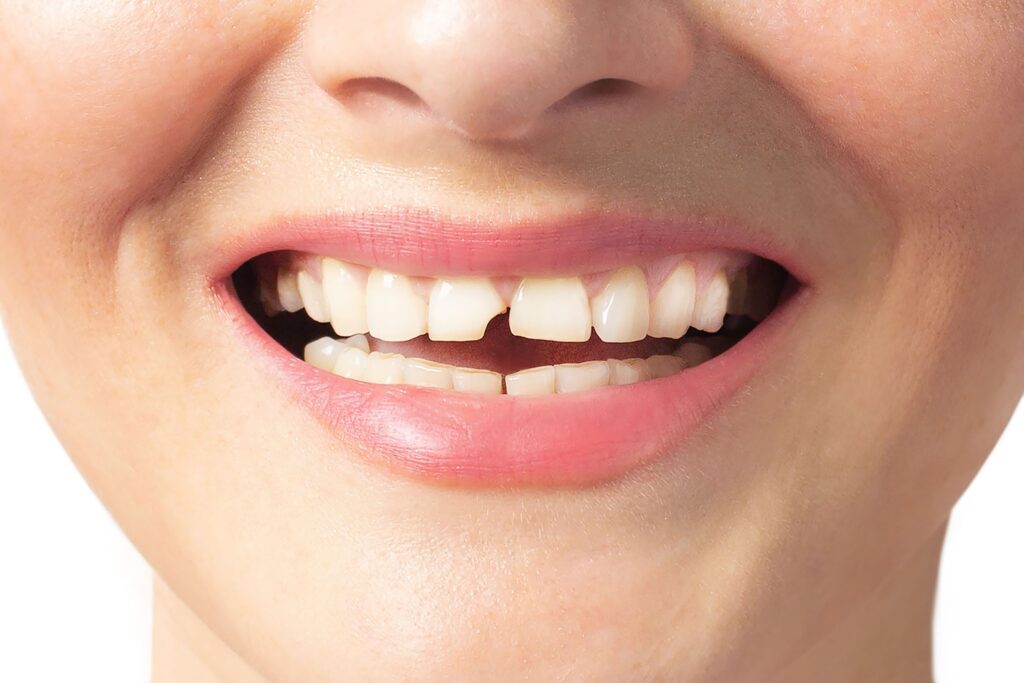
A chip in your tooth can feel like a big deal. Whether it happened from an unexpected accident or biting down on something hard, that small imperfection can make you feel self-conscious about your smile. The good news is that you don’t have to live with it. At Bow Family Dentistry, we help patients from Bow, Concord, and Manchester restore their confidence with modern cosmetic solutions.
Dr. Sarah K. Katz, with 30 years of experience since graduating as valedictorian from Rutgers Dental School, specializes in crafting beautiful, natural-looking results. Two of the most popular and effective treatments for a chipped tooth are dental bonding and porcelain veneers. Let’s explore how each one works.
What Is Dental Bonding?
Dental bonding is a simple, effective procedure for repairing minor cosmetic issues like small chips, gaps, or discoloration. The process involves applying a tooth-colored composite resin directly to the affected tooth.
Dr. Katz first prepares the tooth’s surface, then carefully sculpts the putty-like resin to match the shape and contour of your natural tooth. A special light is used to harden, or “bond,” the material into place. Finally, she polishes the resin to blend seamlessly with the rest of your smile. The entire process is usually completed in a single visit.
Pros of Dental Bonding:
- Fast: Often completed in one appointment.
- Affordable: One of the most cost-effective cosmetic dental procedures.
- Minimally Invasive: Requires little to no removal of your natural tooth enamel.
Cons of Dental Bonding:
- Less Durable: The resin material is more prone to staining and chipping over time compared to porcelain.
- Shorter Lifespan: May need to be touched up or replaced every 5 to 10 years.
What Are Porcelain Veneers?
Porcelain veneers are thin, custom-made shells designed to cover the entire front surface of a tooth. They are an excellent solution for more significant chips, cracks, severe discoloration, or for creating a complete smile makeover.
The process typically takes two appointments. During the first visit, Dr. Katz prepares the tooth by removing a very thin layer of enamel to ensure the veneer fits perfectly. She then takes an impression of your tooth, which is sent to a dental lab where your custom veneer is crafted from high-quality porcelain. At your second visit, the veneer is permanently bonded to your tooth, instantly transforming its appearance.
Pros of Porcelain Veneers:
- Durable: Made from strong, long-lasting ceramic material.
- Stain-Resistant: Porcelain is non-porous and resists stains from coffee, tea, and wine.
- Aesthetic: Provides a beautiful, natural, and uniform appearance.
Cons of Porcelain Veneers:
- Higher Cost: A more significant investment than dental bonding.
- Irreversible: Requires the removal of a small amount of tooth enamel.
- Longer Process: Usually requires at least two visits to complete.
How We Help You Choose the Right Option
Deciding between bonding and veneers depends on your unique situation. At Bow Family Dentistry, Dr. Katz provides a comprehensive consultation to determine the best path forward. This includes:
- A thorough examination of the chipped tooth and surrounding teeth.
- An analysis of your bite and overall enamel health.
- A discussion about your cosmetic goals, budget, and timeline.
Based on factors like the size of the chip and your long-term smile goals, we will recommend the treatment that will give you the most beautiful and lasting result.
Restore Your Smile at Bow Family Dentistry
Don’t let a chipped tooth hold you back any longer. Let Dr. Katz and our caring team at Bow Family Dentistry help you find the perfect solution. We are proud to serve our neighbors in Bow, Concord, and Manchester, NH.
Contact us today to schedule your consultation and take the first step toward a smile you’ll love to share